



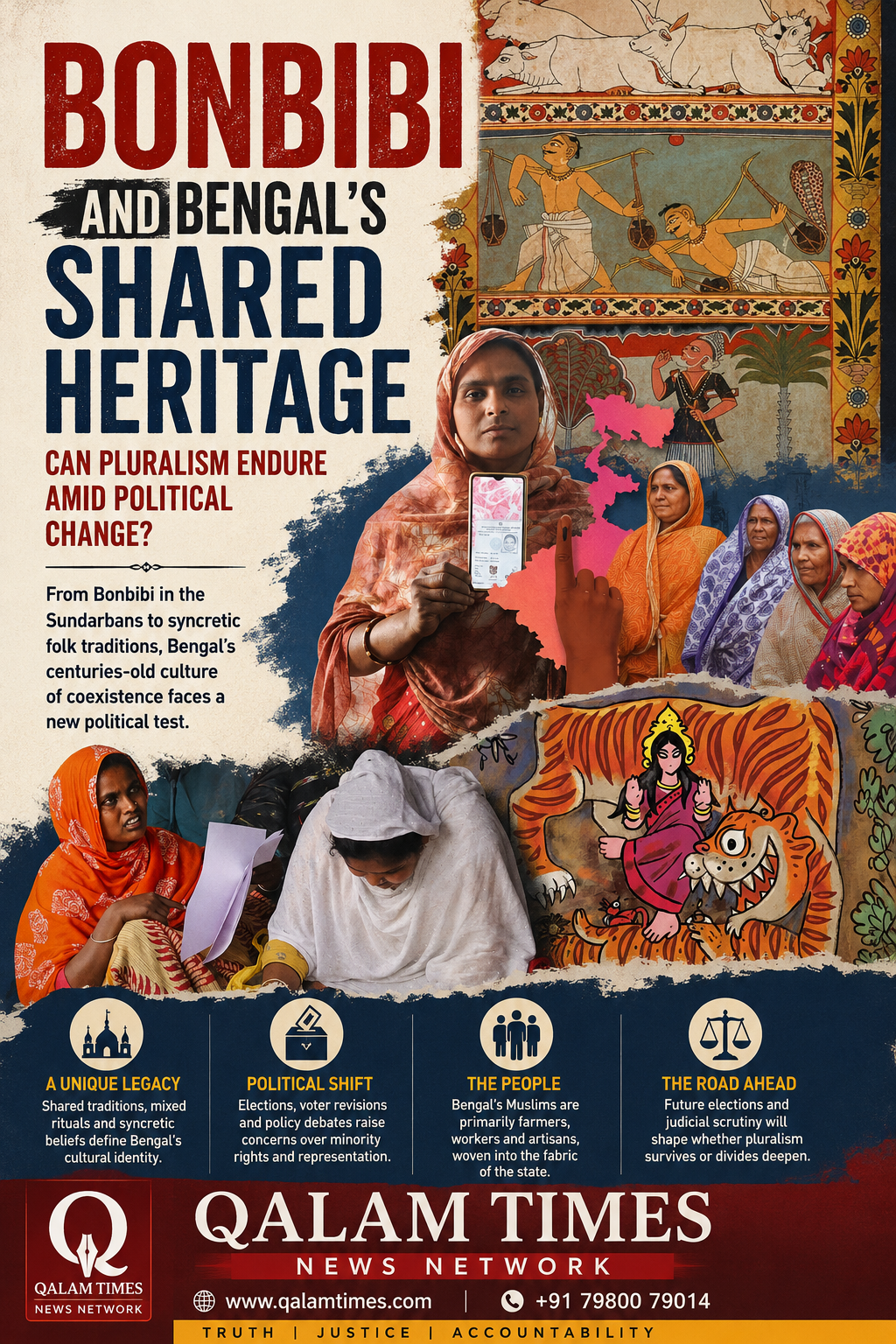
BONBIBI symbolizes Bengal’s shared cultural heritage as political changes revive debate over pluralism, minority rights and the future of West Bengal’s inclusive traditions.
Political developments revive debate over Bengal’s centuries-old culture of coexistence and its future under a changing political landscape.
By Qalam Times News Network
Kolkata | August 7, 2026
BONBIBI has once again become a powerful symbol in discussions surrounding West Bengal’s cultural identity as political developments continue to reshape public discourse across the state. Long regarded as an embodiment of harmony between faiths in the Sundarbans, Bonbibi represents a tradition in which religious identity has historically been less rigid than elsewhere in the country. As debates over governance, electoral politics and community relations intensify, many scholars and cultural observers believe that Bengal’s composite heritage is entering a period of unprecedented examination.
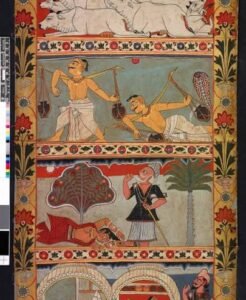
Across the Sundarbans, BONBIBI is revered by both Hindus and Muslims as the guardian of forests and protector of those whose livelihoods depend on the region’s rivers and mangrove ecosystem. Her story reflects Bengal’s unique folk traditions, where local customs evolved through centuries of shared experiences rather than strict religious divisions. Similar examples can be found among traditional patachitra artists in Paschim Medinipur, where families have long embraced blended cultural practices while narrating Hindu epics through scroll paintings and devotional songs. These traditions have often been cited as evidence of Bengal’s deeply rooted pluralistic identity.
Political Transition Raises Questions About Bengal’s Inclusive Legacy
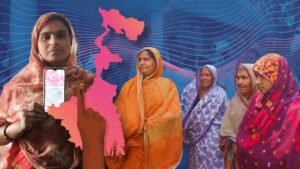
The political atmosphere in West Bengal has changed significantly following the recent Assembly election, bringing renewed attention to issues concerning minority rights, electoral representation and communal harmony. Public discussions have expanded beyond electoral outcomes to include debates over administrative policies, voter verification exercises, religious practices and the protection of constitutional rights. Several civil society organisations have expressed concerns about measures they believe may disproportionately affect minority communities, while the Bharatiya Janata Party (BJP) has maintained that its governance agenda is centred on law, order and administrative transparency.
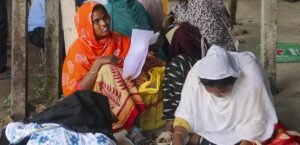
Political analysts note that Bengal’s Muslim population possesses a distinct historical identity shaped largely by agriculture and rural settlement rather than urban commercial traditions. Historians have documented how generations of cultivators transformed forests into productive farmland, giving rise to a regional culture that incorporated local folklore alongside religious traditions. This historical experience helped create many of the shared customs that continue to distinguish Bengal from several other regions of the country.
Attention has also turned to the future of electoral representation as discussions continue over constituency delimitation, demographic changes and upcoming municipal, panchayat and parliamentary elections. Opposition parties argue that democratic institutions must ensure equal participation for every community, while the ruling establishment insists that all constitutional and administrative procedures are being implemented fairly and within the legal framework. Several related matters continue to remain under judicial consideration.
Beyond politics, observers believe the larger question concerns the future of Bengal’s intellectual and cultural character. The state has long been recognised for its contributions to social reform, literature, secular thought and artistic expression. From its reform movements to its rich tradition of folk culture, Bengal has historically celebrated diversity as one of its defining strengths. Whether this tradition can continue to flourish amid increasing political polarisation remains a subject of active debate among academics, writers and policy experts.
With civic elections scheduled in the coming years, followed by parliamentary and Assembly contests, the direction of Bengal’s political and social landscape will continue to evolve. Many believe the resilience of democratic institutions, constitutional safeguards and civil society will determine whether the state’s historic culture of coexistence remains a living tradition or gradually gives way to sharper ideological divisions.