



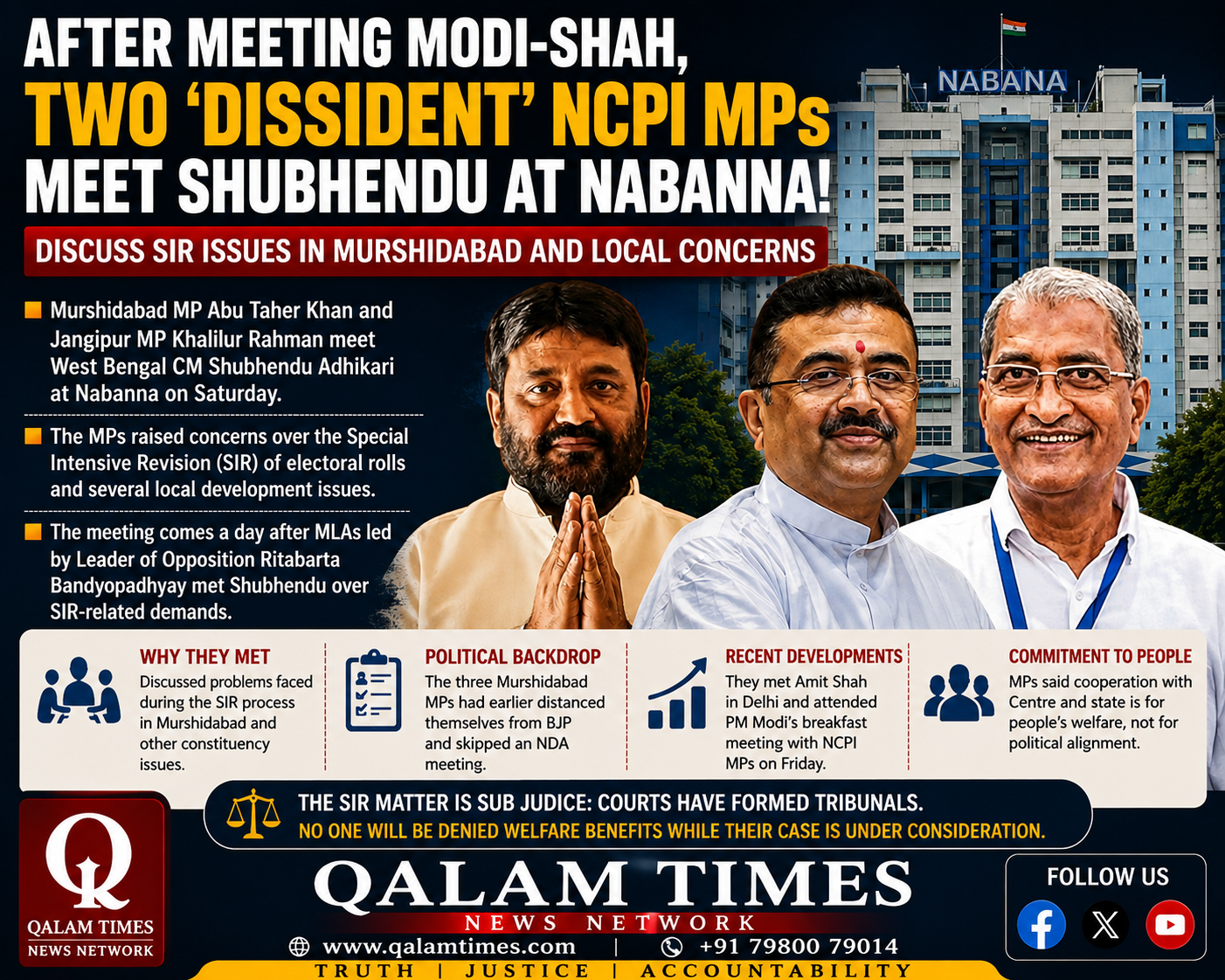
NCPI MPs Abu Taher Khan and Khalilur Rahman met Shubhendu Adhikari at Nabanna to discuss SIR-related concerns in Murshidabad, voter issues and local development priorities.
Abu Taher Khan and Khalilur Rahman discuss SIR-related concerns in Murshidabad and local development issues with the state government
By Qalam Times News Network
Kolkata | August 8, 2026
NCPI MPs Abu Taher Khan and Khalilur Rahman met Shubhendu Adhikari at Nabanna on Saturday, just a day after meeting Prime Minister Narendra Modi and Union Home Minister Amit Shah in Delhi. The meeting has drawn political attention because the two MPs had recently been seen as “dissenting” voices within the newly formed Nationalist Citizens Party of India (NCPI), particularly over their position on the BJP-led NDA.
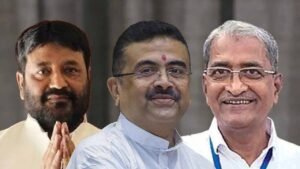
The two parliamentarians—Abu Taher Khan, representing Murshidabad, and Khalilur Rahman, representing Jangipur—arrived at Nabanna around midday and held discussions with Adhikari. According to party sources, the primary subject of the meeting was the Special Intensive Revision (SIR) of electoral rolls and the difficulties reportedly being faced by residents in Murshidabad following the revision process. The MPs also raised a number of local issues and development-related concerns affecting their constituencies.
The meeting comes a day after a delegation of legislators led by Opposition Leader Ritabarta Bandyopadhyay met Adhikari over demands linked to SIR. The legislators submitted a representation seeking measures to address problems arising from the electoral-roll revision, particularly those affecting voters whose names have either been removed or placed under adjudication.
SIR Concerns and Political Significance Behind the Nabanna Meeting
The meeting involving the NCPI MPs assumes additional significance because Abu Taher Khan, Khalilur Rahman and Baharampur MP Yusuf Pathan had recently distanced themselves from the BJP and the NDA’s political activities. The three MPs had reportedly skipped an NDA meeting attended by other NCPI parliamentarians, triggering speculation about possible differences within the party.
The situation, however, appeared to change after the three MPs met Amit Shah in Delhi. They were accompanied by Birbhum MP Shatabdi Roy and Asit Mal. The following day, the three MPs also attended a breakfast meeting hosted by Prime Minister Narendra Modi for NCPI parliamentarians. Recent reporting confirmed that Modi met 19 NCPI MPs over breakfast, including three MPs from Murshidabad who had earlier missed NDA meetings. (The Times of India)
The MPs have maintained that their willingness to cooperate with the Centre should not necessarily be interpreted as unconditional political alignment with the BJP. Instead, they have argued that cooperation with both the Union and state governments is necessary to address constituency-level problems and secure development projects for local residents.
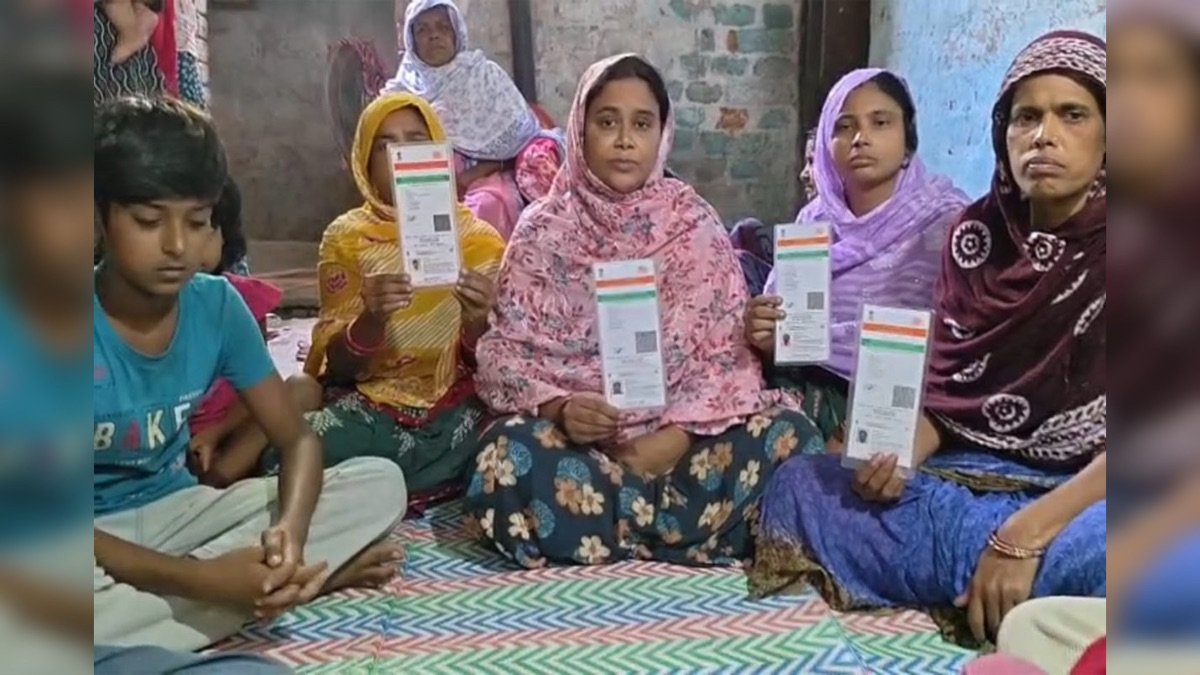
The SIR issue has become particularly sensitive in Murshidabad, where concerns have been raised over voters whose names were reportedly removed from electoral rolls or placed in the category requiring further adjudication. The matter has also generated legal proceedings, with mechanisms established following judicial intervention to examine disputed cases.
According to the concerns raised by legislators and local political representatives, the adjudication process is progressing slowly. A demand has therefore been made for the creation of tribunals in every district so that affected voters do not have to wait excessively long for their cases to be resolved.
The state government has maintained that matters directly connected with the adjudication process fall within the legal and judicial framework and that the administration has limited authority over cases pending before the relevant tribunals. At the same time, assurances have been given that people whose names remain under consideration will not automatically lose access to government welfare schemes merely because their electoral status is being examined.
The political significance of Saturday’s meeting lies not only in the SIR issue but also in the evolving relationship between the NCPI and the BJP-led NDA. After the recent meetings with Shah and Modi, the two MPs’ appearance at Nabanna suggests that they are seeking to maintain channels of communication with both the central and state administrations.
For Murshidabad and Jangipur, however, the immediate priority remains the concerns of voters affected by the electoral-roll revision, along with local development and administrative issues. The outcome of the discussions at Nabanna could therefore have implications beyond party politics as the SIR process continues to generate debate across West Bengal.