

Red Road Exclusion sparks controversy in Kolkata as critics blame political interference by Javed Ahmed Khan, Qari Fazlur Rahman, and the Khilafat Committee for turning the historic Eid congregation into a political platform.
Qalam Times News Network
Kolkata | May 27, 2026
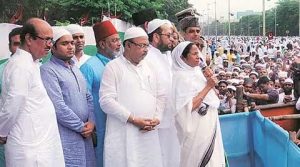
Red Road Exclusion has emerged as more than just an administrative decision. For many within Kolkata’s Muslim community, it represents a symbolic collapse of a historic religious tradition that, critics argue, was gradually consumed by political influence, public appeasement, and personal ambition.
For decades, the Eid congregation at Red Road stood as one of eastern India’s most significant Islamic gatherings, drawing thousands of worshippers in an atmosphere of unity and spirituality. But over the years, opponents allege that the sacred platform slowly lost its religious neutrality and became increasingly associated with political symbolism and partisan loyalty.
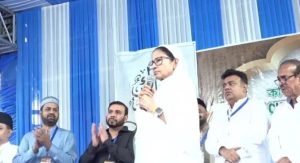
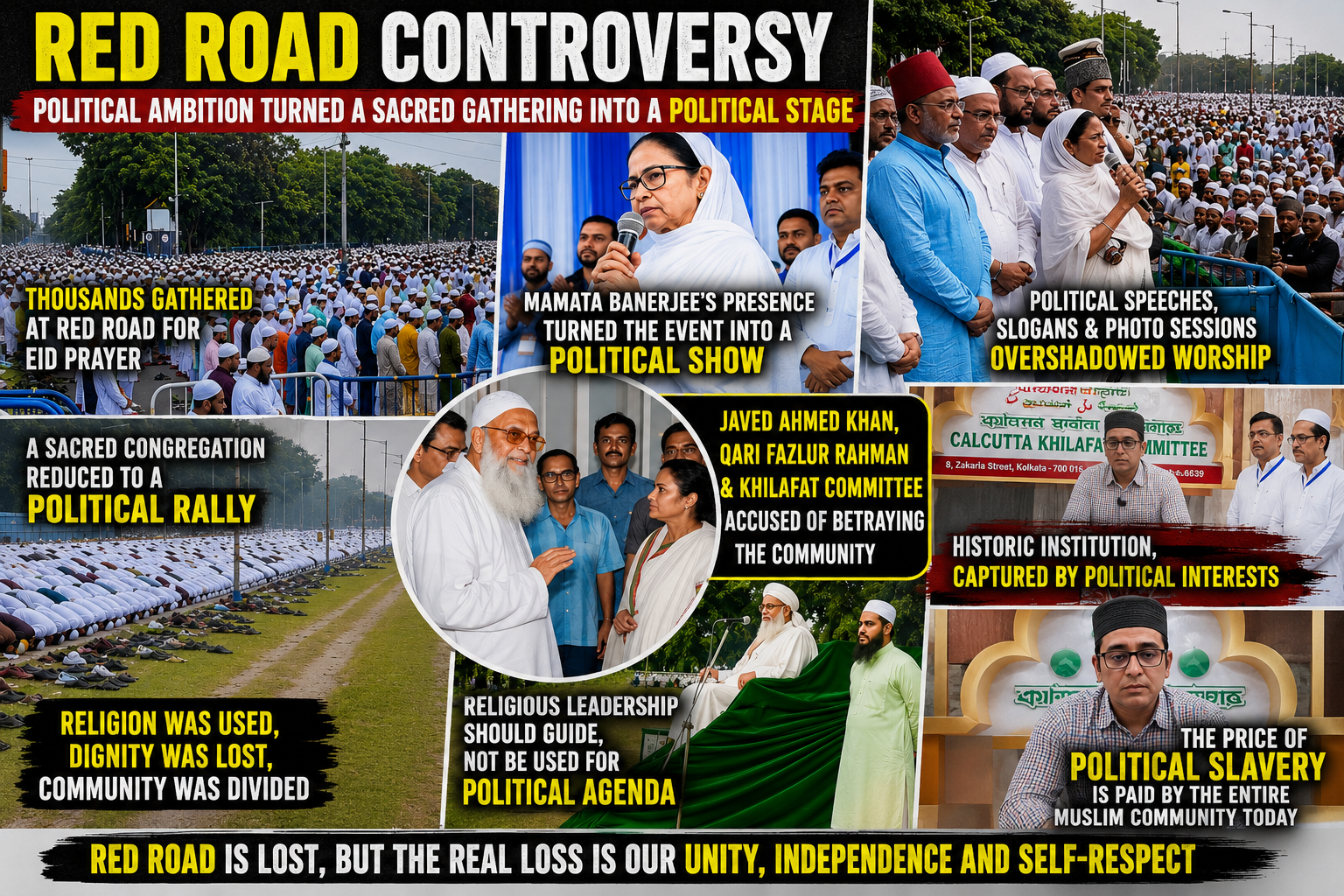
At the center of the controversy are former minister Javed Ahmed Khan, cleric Qari Fazlur Rahman, and members of the Khilafat Committee, all of whom are now facing strong criticism from sections of the Muslim intelligentsia and social activists. According to critics, the Red Road Exclusion is the direct consequence of years of political alignment that transformed a purely religious event into a carefully staged political spectacle.
Under the Trinamool Congress government, the Red Road Eid gathering often featured high-profile political appearances. Chief Minister Mamata Banerjee’s attendance, public addresses by senior party leaders, slogan chanting, media-focused stage management, and visible political messaging gradually became regular features of the congregation. What was once viewed as a solemn spiritual assembly began to resemble a political showcase.
Critics argue that this shift damaged the independent religious identity of the gathering. They believe the event increasingly projected the image that Kolkata’s Muslim community stood exclusively behind a single political party. According to observers, this perception ultimately weakened the traditional neutrality of the Eid congregation and made it vulnerable to political retaliation after the change in power.
Many community voices now claim that religious sentiments were used to strengthen political equations rather than preserve communal dignity. The Khilafat Committee, once regarded as a historic institution representing Muslim concerns, is accused of losing its independent character and becoming heavily influenced by political proximity and personal interests.
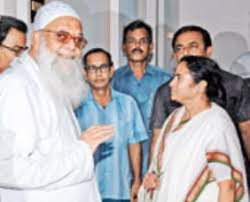
Qari Fazlur Rahman has also come under scrutiny for allegedly allowing religious platforms to be used for indirect political signaling. Critics say religious leadership should have focused on spiritual guidance, moral reform, and community welfare instead of creating space for political endorsement from the pulpit.
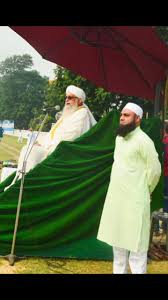
Several members of the community have expressed disappointment that even during Eid prayers, announcements regarding political personalities and stage appearances often overshadowed the spiritual atmosphere of the occasion. According to them, the sanctity of the gathering was repeatedly compromised by visible displays of political networking and public relations exercises.
The controversy surrounding the Red Road Exclusion has now triggered a wider debate about the relationship between religion and politics in West Bengal. Analysts warn that when religious institutions become dependent on political patronage, they risk losing both credibility and autonomy.
For many Muslims in Kolkata, the loss of Red Road is not merely about a venue change. It reflects a deeper fear that religious identity and community institutions are increasingly being shaped by political calculations rather than collective social interests.
Community elders and independent observers are now calling for introspection and accountability. They argue that unless religious organisations maintain political neutrality and prioritize the broader interests of the community, similar setbacks may continue in the future.