

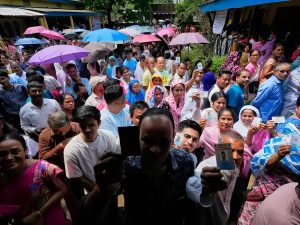
Focus on Voter Deletions as residents allege irregularities and lack of transparency in electoral roll revision
QalamTimes NewsNetwork
Samsherganj, Murshidabad | April 22, 2026
In the run-up to the West Bengal Assembly elections, serious concerns have emerged from Samsherganj in Murshidabad district, where a large number of residents claim their names have been removed from the voter rolls without clear explanation. The issue has sparked anxiety, confusion, and a growing sense of distrust among locals.
Akhtar Ali, a resident of Madhya Chachanda village, is among those affected. Despite having a documented family linkage in earlier electoral rolls, his name and that of his younger brother were deleted, while other siblings remain listed. According to Ali, both his parents were registered voters in the 2002 electoral roll, which is now being used as a reference point in the Special Intensive Revision (SIR) process.
The SIR exercise requires individuals to establish a connection with electoral records from 2002–2004. Those who can link themselves or their family members to these legacy records are categorized as “mapped,” while others fall into the “unmapped” category and must submit additional documents to prove eligibility. However, several residents argue that even those with valid linkages have been excluded.
The scale of Voter Deletions in Murshidabad has become a major point of concern. Reports suggest that thousands of names have been struck off in Samsherganj alone, contributing to a district-wide figure running into several lakhs. The trend appears particularly pronounced in certain constituencies, raising questions about the consistency and fairness of the process.
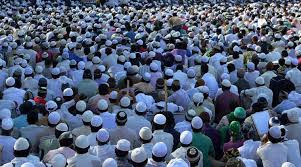
Residents and local officials describe confusion during verification. Some Booth Level Officers (BLOs) indicate that notices issued to voters are system-generated, often citing discrepancies in spelling, age, or documentation formats. In regions where records exist in multiple languages and formats, such inconsistencies are not uncommon, but they have reportedly led to widespread exclusions.
Several affected individuals claim they submitted the required documents and followed due procedures, yet their names were still removed. In some cases, even corrections made through official forms did not prevent deletion.
Rising Concerns and Public Sentiment
The issue has triggered broader concerns about electoral participation and representation. Civil rights observers warn that large-scale exclusions from voter lists could impact the democratic process, especially if affected individuals are not given clear reasons or adequate opportunity to rectify errors.
On the ground, the atmosphere remains tense. Residents express fear not only about losing their voting rights but also about the implications for their identity and belonging. Conversations around the issue are often cautious, with people wary of speaking openly.
In certain areas, the presence of security personnel during public interactions has added to the sense of unease. Some locals claim they were discouraged from discussing the matter publicly, further intensifying concerns about transparency.
Social Impact Beyond Elections
Beyond administrative challenges, the situation appears to be affecting social cohesion. Community members note a growing sense of division and suspicion, contrasting with earlier years of shared cultural and social life.
As political campaigning intensifies across West Bengal, the issue of Voter Deletions continues to dominate discussions in Samsherganj. While authorities maintain that the revision process is necessary to ensure accurate electoral rolls, residents insist that clarity, fairness, and accountability are urgently needed.
For many like Akhtar Ali, the demand is simple: if a citizen’s name is removed, they deserve a clear and justified explanation.