


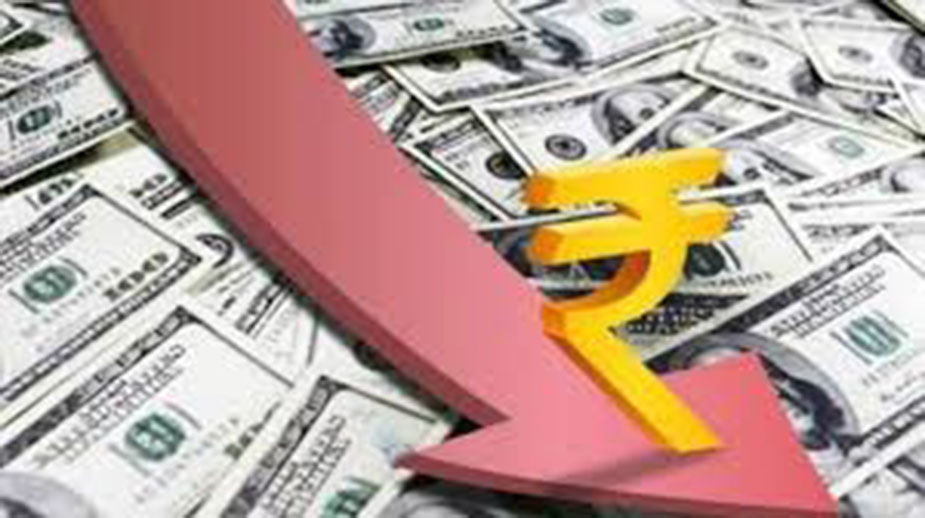
Rupee Debate intensifies as rupee crosses 94 against dollar, raising questions over political silence compared to 2013 outrage and shifting economic narratives.
Political reactions, shifting narratives, and the evolving discourse on India’s currency Rupee Debate
Qalam Times News Network
Kolkata , March 27, 2026
Rupee Debate has once again taken center stage as the Indian currency weakens past the 94 mark against the US dollar. Despite this sharp decline, the level of political outrage and public discourse appears far more subdued compared to 2013, when the rupee crossing 60 triggered nationwide debate. The contrast between then and now has raised fresh questions about consistency in political narratives and economic accountability.
Back in 2013, when India was under the UPA सरकार led by Manmohan Singh, the rupee’s fall beyond 60 was widely portrayed as a sign of economic distress. Media headlines were dramatic, political speeches were sharp, and social media was flooded with criticism. Prominent figures, including Narendra Modi, Nirmala Sitharaman, Baba Ramdev, and Amitabh Bachchan, openly expressed concern and criticism.
Then vs Now: A Shift in Tone

Rupee Debate highlights a noticeable shift in tone over the years. In 2013, Narendra Modi, then Chief Minister of Gujarat, had strongly criticized the central government, calling the rupee “critically ill” and comparing its fall to a failing system. He had remarked that both the government and the currency were losing credibility.
Similarly, Nirmala Sitharaman, who was a party spokesperson at the time, had warned that a weakening rupee reflected deeper economic troubles, impacting imports, education abroad, and overall stability. However, in recent years, her stance has evolved, with explanations focusing more on global factors and the strengthening of the US dollar rather than domestic weaknesses.
Changing Narratives and Public Perception
The silence or muted response from many of the same voices today has not gone unnoticed. Opposition leaders have pointed out that while earlier currency depreciation was framed as a crisis, the current situation is being explained through global economic conditions.
Public figures who once commented frequently on the rupee’s performance have largely refrained from doing so now. This shift has fueled debate on whether economic issues are being interpreted differently depending on who is in power.
Global Factors vs Domestic Accountability
The government maintains that the current depreciation is largely driven by global uncertainties, including geopolitical tensions and fluctuations in international markets. It argues that the rupee has performed relatively better compared to other emerging market currencies.
However, critics insist that domestic economic policies and structural challenges must also be part of the conversation. They argue that attributing everything to global factors may overlook internal issues that need attention.
The ongoing Rupee Debate is not just about numbers on an exchange chart—it reflects how economic realities are framed and communicated. The stark contrast between past outrage and present restraint underscores the role of politics in shaping economic discourse.
As the rupee continues to face pressure, the real question remains whether discussions around it will stay consistent, transparent, and focused on solutions rather than narratives.