
Voter List Controversy grows in West Bengal as ex-High Court judge’s name removed and 340 voters deleted from one booth, raising concerns over electoral roll accuracy.
Questions rise in the Voter List Controversy as errors, allegations, and protests emerge in West Bengal
Qalam Times News Network
Kolkata, March 27, 2026
Voter List Controversy has intensified in West Bengal after several unusual and alarming cases of name deletions surfaced during the latest revision of electoral rolls. Among the most striking incidents is the removal of a former judge of the Calcutta High Court from the voter list, raising serious questions about the accuracy and transparency of the process.
The issue came to light following the Special Intensive Revision (SIR) conducted by the Election Commission of India, which released a supplementary voter list on March 23. The revision process was meant to eliminate duplicate, fake, or deceased voters. However, multiple complaints suggest that genuine voters may have been wrongly excluded.
Former Judge’s Name Sparks Concern
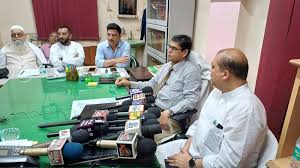
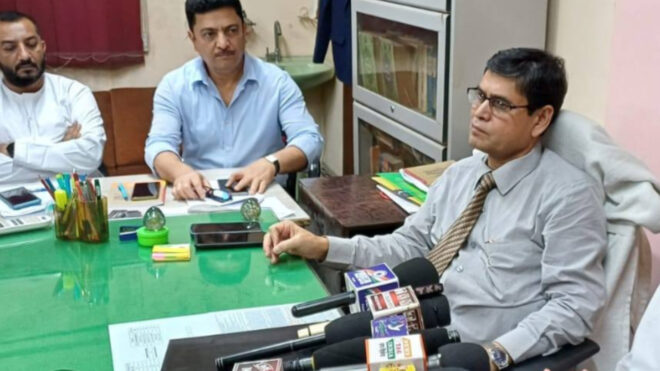
Former High Court judge Shahidullah Munshi revealed that his name had been removed from the voter list despite submitting all required documents, including his passport. He expressed shock, noting that his credentials had already undergone thorough scrutiny before his judicial appointment.
According to him, the process appeared “mechanical,” with officials handling a massive volume of cases—over 6 million—within a limited time. He also alleged a lack of transparency, claiming that no receipt was provided after submitting documents and no clear reason was given for the deletion.
Mass Deletion Raises Red Flags
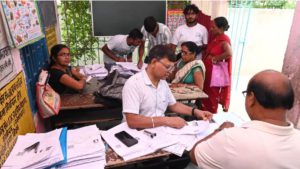
Voter List Controversy deepened further in the Basirhat North Assembly constituency, where 340 voters from a single booth in Boro Gobra village were removed from the rolls. Notably, all affected individuals reportedly belonged to the Muslim community, leading to allegations of targeted exclusion.
Even more surprising was the deletion of the booth’s own Booth Level Officer (BLO), Mohammad Shafiul Alam, who had personally assisted voters in completing documentation. His inclusion among those removed has added to the confusion and concern.
The mass deletions triggered protests in the area, with over a hundred residents taking to the streets. Many claimed that despite submitting multiple valid documents—well beyond the required minimum—their names were still removed.
Critics and opposition voices have alleged possible political pressure behind the process, suggesting that the deletions may benefit certain parties. However, these claims remain contested and unverified.
Lack of Clarity from Authorities
Reports indicate that while millions of voter records were reviewed during the SIR process, the exact number of deletions remains unclear. Estimates vary widely, with figures ranging from 800,000 to over 1.4 million, but no official consolidated data has been released so far.
This lack of clarity has only fueled suspicion and debate around the integrity of the revision exercise.
Election Commission’s Stand
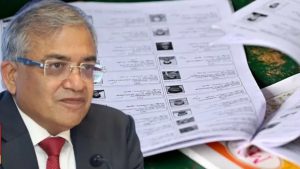
The Election Commission maintains that the objective of the revision is to ensure a clean and accurate voter list by removing ineligible entries. It has emphasized that cases under dispute are being handled through adjudication and that affected individuals can appeal before designated tribunals.
In West Bengal, 19 appellate tribunals have been set up to address such grievances, offering a legal route for those seeking reinstatement of their names.
The unfolding Voter List Controversy highlights the delicate balance between maintaining electoral integrity and safeguarding citizens’ voting rights. While cleaning up voter rolls is essential, errors or perceived bias in the process can undermine public trust.
As appeals move forward and scrutiny intensifies, the coming weeks will be crucial in determining whether these concerns are addressed effectively before elections.