
Supreme Court petition challenges Shivaratri puja at Ladle Mashaikh Dargah in Karnataka, raising concerns over the shrine’s religious character, court-monitored rituals, and security arrangements ahead of Maha Shivaratri.
Religious character dispute over shared shrine in Karnataka’s Kalaburagi district draws SupremeCourt scrutiny amid tight security arrangements.
Qalam Times News Network
New Delhi / Kalaburagi | February 15, 2026
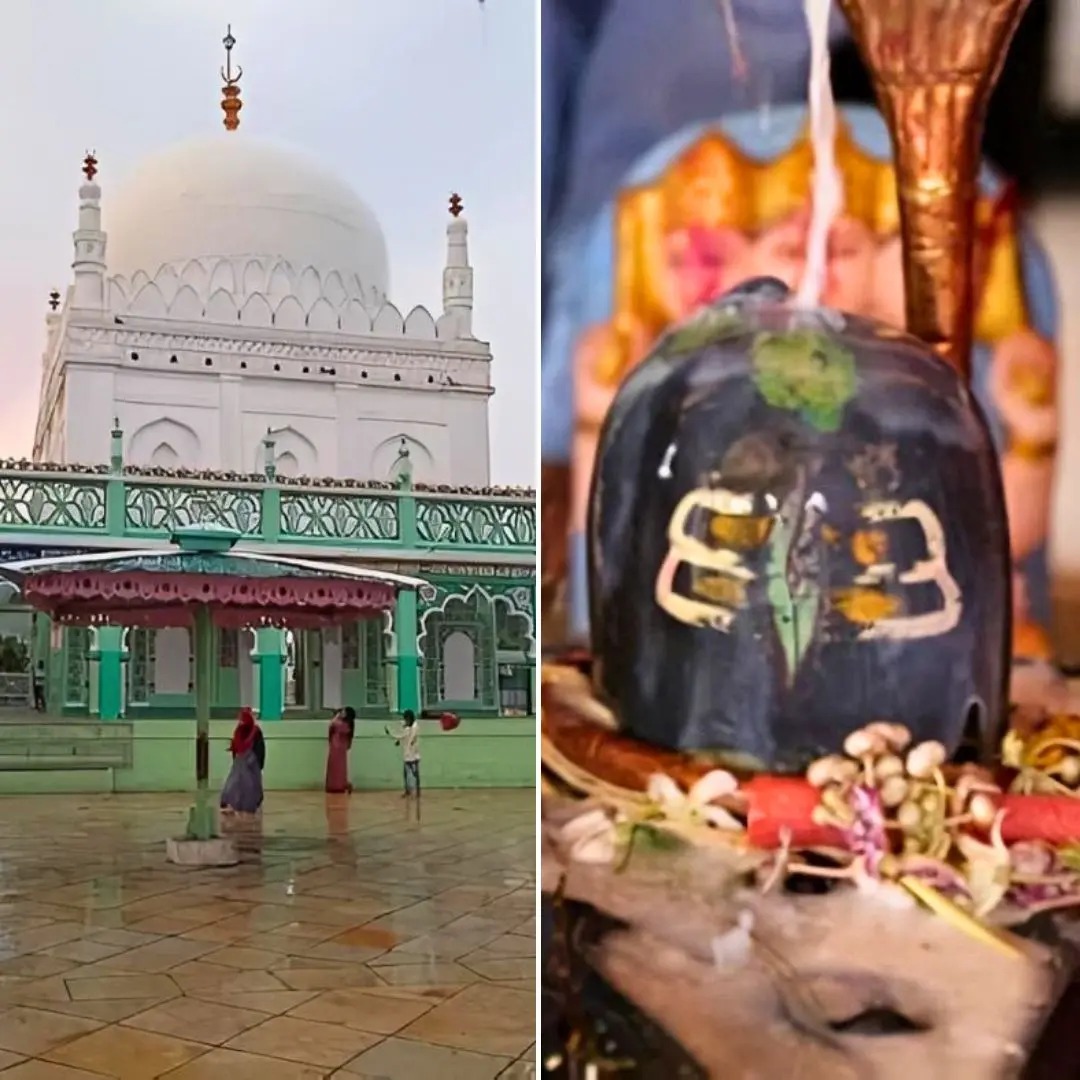
Supreme Court proceedings have once again brought national attention to the long-standing dispute surrounding the Ladle Mashaikh Dargah in Karnataka’s Kalaburagi district, where a Shivling is situated within the dargah complex. A petition filed before the apex court sought an urgent direction to stop the planned Maha Shivaratri puja inside the shrine and to prevent any structural or administrative changes that could alter its religious character.
The matter was mentioned before Chief Justice of India Surya Kant and Justice Joymalya Bagchi by Senior Advocate Vibha Datta Makhija, appearing for the dargah authorities. She requested an expedited hearing ahead of the February 15 Shivaratri observance, stating that certain groups intended to conduct religious rituals within the premises. During the brief exchange, the Supreme Court expressed concern over the growing tendency of litigants to approach it directly under Article 32 of the Constitution instead of first seeking remedies before the High Courts. The Bench observed that such a trend risked undermining the role of constitutional courts at the state level and indicated it would examine the issue carefully.
A Shared Sacred Space
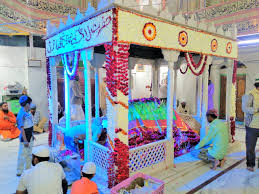
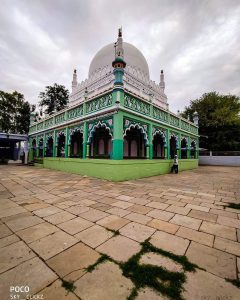
The Ladle Mashaikh Dargah in Aland town is historically linked to the 14th-century Sufi saint Hazrat Shaikh Alauddin Ansari, popularly known as Ladle Mashaikh, and also houses the samadhi of the 15th-century Hindu saint Raghava Chaitanya. Within the compound stands a structure identified as the Raghava Chaitanya Shivling. For generations, the site has been regarded locally as a symbol of spiritual overlap, with both Muslim and Hindu devotees offering prayers in different forms.
However, tensions intensified in 2022 following an alleged act of desecration involving the Shivling. Since then, legal petitions concerning worship rights and the management of the premises have surfaced periodically. In 2025, the Karnataka High Court permitted a limited number of Hindu devotees to perform Shivaratri rituals under strict security supervision, a measure similar to arrangements made the previous year.
Legal Arguments and Historical Claims
The recent plea before the apex court argued that repeated interim orders allowing ritual access risk gradually transforming the dargah’s essential character. The petition cited provisions of the Places of Worship (Special Provisions) Act, 1991, contending that attempts were being made to bypass statutory protections through festival-timed applications. It also referred to a 1968 decision of the Town Municipal Council rejecting claims for temple construction at the site, describing the land as a mazar surrounded by Muslim graves and recorded as Wakf property.
Petitioners alleged that successive legal efforts, even after civil suits failed, were aimed at creating a precedent through temporary permissions that could support broader claims in the future.
The Supreme Court, however, did not immediately grant an urgent listing and indicated that factual and administrative issues might be more appropriately addressed at the High Court level.
High Court’s Conditional Permission
Meanwhile, the Kalaburagi bench of the Karnataka High Court has allowed a restricted group of 15 devotees to conduct Shivaratri puja inside the complex during a specified time window. The court directed the district administration to ensure that the observance does not disrupt the dargah’s routine religious activities and that public order is maintained.
Following the order, district officials convened coordination meetings with community representatives. Entry and exit routes have been mapped, crowd numbers capped, and additional police personnel deployed across sensitive locations in Aland. Authorities described the security measures as precautionary and emphasised that only individuals explicitly permitted by the court would be allowed access.
Senior officials in Kalaburagi district stated that their priority is to uphold lawful worship while preventing any communal disturbance. Surveillance arrangements have been enhanced, and peace appeals have been issued jointly by local leaders from both communities.
Observers note that the judiciary’s approach reflects an effort to balance two constitutional principles: the right to freely practise religion and the state’s obligation to maintain public order. With the petition before the apex court withdrawn and the High Court’s conditions in force, the immediate focus remains on ensuring a peaceful Shivaratri.
Community elders in Aland have expressed hope that the court-monitored framework will preserve the town’s tradition of coexistence rather than deepen divisions.