
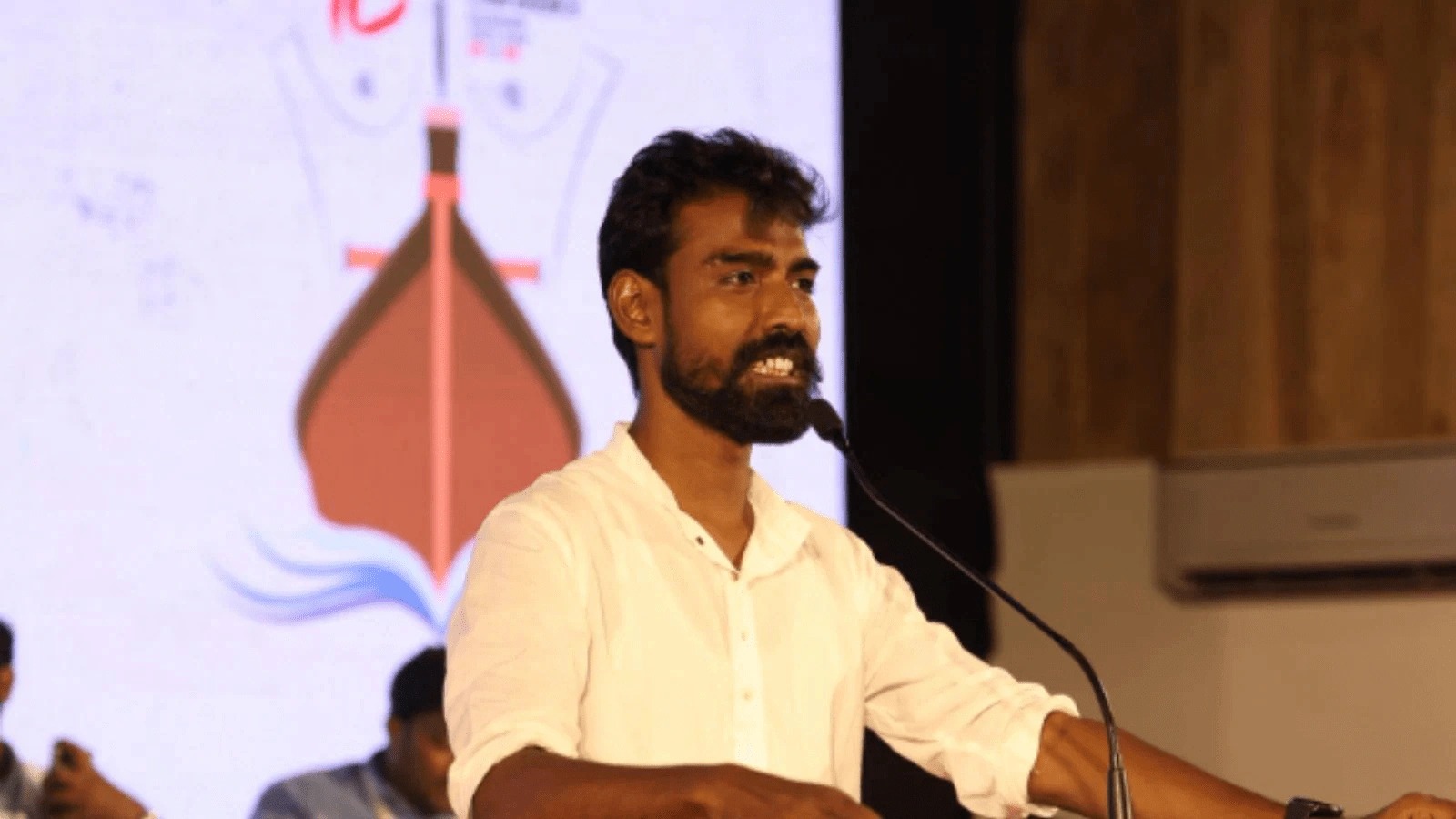
Pratik Ur Rahman Crisis deepens as CPM leadership, led by Biman Bose, moves to stop young minority leader Pratik Ur Rahman from quitting party membership amid growing internal tensions.
Pratik Ur Rahman Young minority face of CPM signals complete break with party; senior leadership scrambles to contain damage ahead of key meetings at Alimuddin Street.
Qalam Times News Network
Kolkata | February 17, 2026
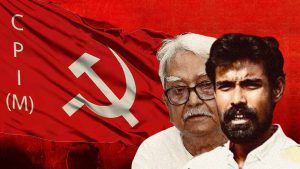
The Pratik Ur Rahman Crisis has thrown the Communist Party of India (Marxist) into deep uncertainty, with senior leader Biman Bose stepping forward in a last-ditch attempt to prevent the young state committee member from walking away. Pratik Ur Rahman, who rose from a poor Muslim family in rural Diamond Harbour to become a prominent state-level face of the party, has not only sought relief from his organisational responsibilities but also expressed his desire to relinquish primary membership altogether.
In his resignation letter, Rahman made it clear that he finds it impossible to align himself with the functioning style of both district and state leadership. The Pratik Ur Crisis intensified after internal discussions were already strained following a meeting between state secretary Mohammad Salim and Humayun Kabir. Now, attention has shifted squarely to whether Rahman can be persuaded to reconsider.
Rahman confirmed that he has spoken with Bose and has been called to the party’s state headquarters on Alimuddin Street. However, he said he is still “thinking it through” and will not attend immediately. With the state secretariat meeting scheduled Wednesday followed by a two-day state committee session, uncertainty continues over whether he will appear.
Close associates of Rahman suggest that he has raised several critical questions within the party. Without satisfactory answers, continuing his political journey inside CPM would be difficult. At the same time, if he meets Bose and still finds no resolution, any firm decision afterward may trigger fresh controversy—particularly if sections of the party claim that even a veteran like Bose was not accorded due respect. That delicate balance explains his careful deliberation.
Why CPM Is So Keen to Retain Him
Although no formal statement has been issued, multiple senior leaders privately admit that Rahman’s exit would send an adverse signal. He represents a rare trajectory—emerging from an economically marginal Muslim background, serving two terms as state president of the party’s student wing SFI, and eventually becoming a state committee member.
Party insiders acknowledge that, with Mohammed Salim already serving as state secretary, the departure of another young minority leader at this juncture would not resonate positively among Bengali Muslims. Rahman is also widely seen within Left circles as a combative and resilient organiser. During the last Lok Sabha election, he contested in Diamond Harbour against Abhishek Banerjee and reportedly endured physical attacks while leading opposition campaigns.
A senior leader admitted, “He comes from the very class we claim to represent. Losing him would be symbolic. Perhaps if the leadership had acted earlier, we might not have reached this point.”
Internal party documents over the years have acknowledged the creeping dominance of a middle-class mindset within CPM ranks. Rahman’s socio-economic background fits squarely within the party’s ideological grammar of representing the marginalised. Currently, among the party’s frontline leaders, only figures like Ramchandra Dom, Debolina Hembram, and Nirapada Sardar are seen as coming from clearly marginalised sections. That context makes Rahman’s potential departure even more consequential.
History also weighs heavily. Over the past two to three decades, several prominent minority leaders—including Saifuddin Chowdhury, Moinul Hasan, and Abdus Sattar—have left CPM. At one stage, leaders such as Moinul had argued that in districts like Murshidabad, where nearly 70% of the population is Muslim, district leadership should reflect that demographic reality. Such views were once dismissed as communal, yet eventually the party adapted. Today, Jamir Molla heads the Murshidabad district unit—ironically the very district CPM now hopes will help it break its electoral slump in the 2026 Assembly elections.
In South 24 Parganas itself, minority leader Rezzak Molla had earlier exited CPM, later joining the Trinamool Congress and serving as a minister in the second Mamata Banerjee government. Against that backdrop, speculation about Rahman’s future has naturally intensified.
His close aides dismiss rumours of imminent party-switching as pressure tactics from within CPM itself. Still, they acknowledge that politics remains an arena of possibilities.
For now, the party waits. Whether reconciliation prevails or rupture becomes final will likely be decided in the days ahead at Alimuddin Street.