
Interim Bail granted to Umar Khalid for attending his sister’s wedding; Delhi court sets strict conditions as Supreme Court reserves verdict in related riot conspiracy bail pleas.
By Qalam Times News Network
New Delhi | December 11, 2025
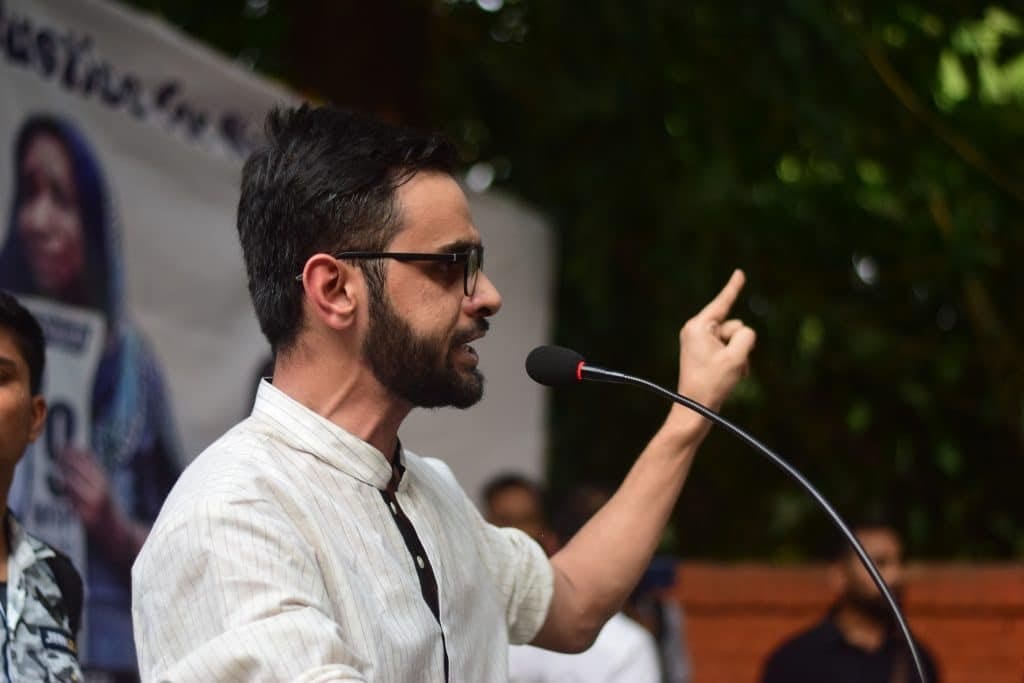
Interim Bail was granted to activist Umar Khalid by a Delhi court, allowing him a brief release so he may attend his sister’s wedding later this month. The relief, effective from December 16 to 29, comes after more than five years of incarceration in the Delhi violence conspiracy case.
Court’s Conditions for Release on Interim Bail
Additional Sessions Judge Sameer Bajpai of the Karkardooma Courts approved the interim bail on a personal bond of ₹20,000 along with two sureties of the same amount. The court has made it clear that Khalid must avoid any contact with witnesses or anyone linked to the ongoing case.
He has been instructed to share his mobile number with the investigating officer and to keep the phone switched on throughout the period. The order also bars him from using social media and limits his interactions strictly to family, relatives, and close friends. Except for attending listed wedding ceremonies, he must remain at home.
This is not the first temporary release granted to Khalid; similar permissions were given in 2022 and again last year for family functions.
Supreme Court Reserves Verdict on Bail Pleas

In a parallel development, the Supreme Court reserved its judgment on the bail petitions filed by Khalid, Sharjeel Imam, Gulfisha Fatima, and others accused in the alleged “larger conspiracy” behind the 2020 Delhi riots. The bench of Justices Aravind Kumar and N.V. Anjaria indicated it aims to deliver a decision before the Court’s winter recess on December 19.
During Wednesday’s hearing, Additional Solicitor General S.V. Raju argued that the accused were not merely engaging in political protest but were calling for road blockades intended to disrupt essential services—acts he claimed fall within the scope of terrorism under the Unlawful Activities (Prevention) Act. He maintained that their alleged planning and speeches contributed to the eruption of violence that left more than 50 people dead.
The police contend the activists used protests against the Citizenship (Amendment) Act as a façade to push for deeper unrest, even hinting at “armed rebellion.” Their continued imprisonment, however, has drawn criticism from rights advocates worldwide. The Delhi High Court had previously rejected their bail applications on September 2.