

Polarisation in Assam politics intensifies as CM Himanta Biswa Sarma admits urging deletion of Muslim voters from electoral rolls, sparking legal and constitutional concerns.
By Qalam Times News Network
Guwahati | January 31, 2026
Polarisation: Assam Chief Minister’s remarks on removing Muslim names from voter rolls raise serious constitutional and ethical questions during an ongoing electoral revision process.
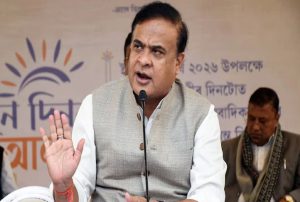
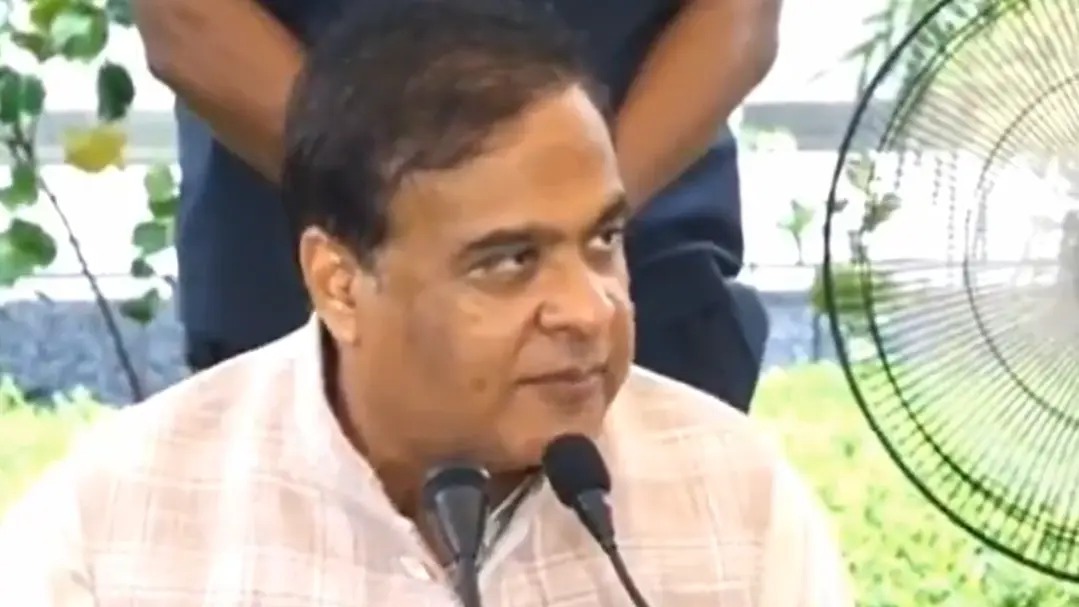
Polarisation has moved from political subtext to open declaration in Assam. Chief Minister Himanta Biswa Sarma has publicly acknowledged that he instructed ruling party workers to file objections against Muslim voters—derogatorily referred to as “Miya”—to push for the removal of their names from the state’s electoral rolls. His remarks have triggered a nationwide debate on abuse of power, voter disenfranchisement, and the limits of democratic politics.
Speaking to reporters, Sarma said he personally asked BJP workers to keep filing complaints against “Miya” voters, insisting that they should vote in Bangladesh, not Assam. According to him, this strategy is not accidental but essential for political survival. Polarisation, he argued, is something Assam must practice for the next 30 years if one wants to “live and fight” politically in the state.
Electoral Revision or Political Weapon?
The controversy comes at a sensitive time when Assam is undergoing a Special Revision of electoral rolls, a process that allows citizens to raise claims and objections regarding voter registration. Opposition parties allege that this mechanism is being deliberately misused to target Bengali-origin Muslims by filing false objections—claiming voters are either dead or have migrated elsewhere.
In an interview cited by The Indian Express, Sarma openly stated that all complaints were filed on his instructions. He said he held meetings and video conferences directing party workers to submit Form 7—used for deletion of voter names—wherever possible, so that targeted voters would be “made to run around” and feel pressure.
Legal Risks and Allegations of Fraud
Form 7 is issued by the Election Commission of India, and submitting false information under it is a criminal offence, punishable with imprisonment of up to one year, a fine, or both. Reports have already surfaced of objections filed even against Booth Level Officers (BLOs), falsely declaring them dead. Several voters, after receiving notices, have had to prove they are alive and allege a conspiracy to strip them of voting rights.
When asked about possible police complaints or FIRs, Sarma doubled down. He told supporters to “harass wherever possible,” even suggesting underpaying rickshaw fares so that people feel compelled to leave Assam. He dismissed criticism as irrelevant, saying he is openly against “Miya” voters and no longer feels the need to hide it.
“Not Hindu–Muslim, But Assamese vs Bangladeshi”?
Responding to accusations of communal polarisation, Sarma claimed Assam is already a polarised society. He framed the conflict not as Hindu versus Muslim, but as Assamese versus Bangladeshi, asserting that his government has no issue with “Assamese Muslims,” only with “Bangladeshi Muslims.” Earlier at a public event in Digboi, he claimed that once an intensive revision begins, four to five lakh “Miya votes” would be cut, calling it the beginning of a larger effort.
The term “Miya,” widely considered a slur against Bengali-origin Muslims in Assam, has long been criticised by civil rights groups and opposition leaders.
Political Fallout and Wider Concerns
Assam Congress president Gaurav Gogoi described Sarma as a “Hindu Jinnah,” warning that such statements threaten social harmony and democracy. Opposition parties have approached the Election Commission, calling the remarks unconstitutional and dangerous.
Sarma’s statements have gone viral on social media, drawing sharp criticism from legal experts, activists, and citizens, while his supporters have defended them as “speaking the truth.” The Election Commission has not yet issued an official response, but the episode may mark a turning point in Assam’s already deeply divided politics.