
Surveillance fears grow in Kashmir as J&K Police collect detailed personal, financial, and ideological data on mosques and clerics, raising constitutional and privacy concerns.
By Qalam Times News Network
Srinagar | January 14, 2026
Surveillance :Valley-wide data collection drive sparks alarm among religious leaders, political representatives, and civil society over privacy and constitutional rights
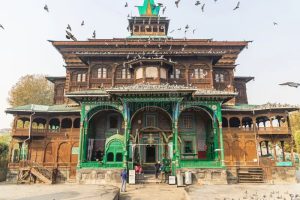
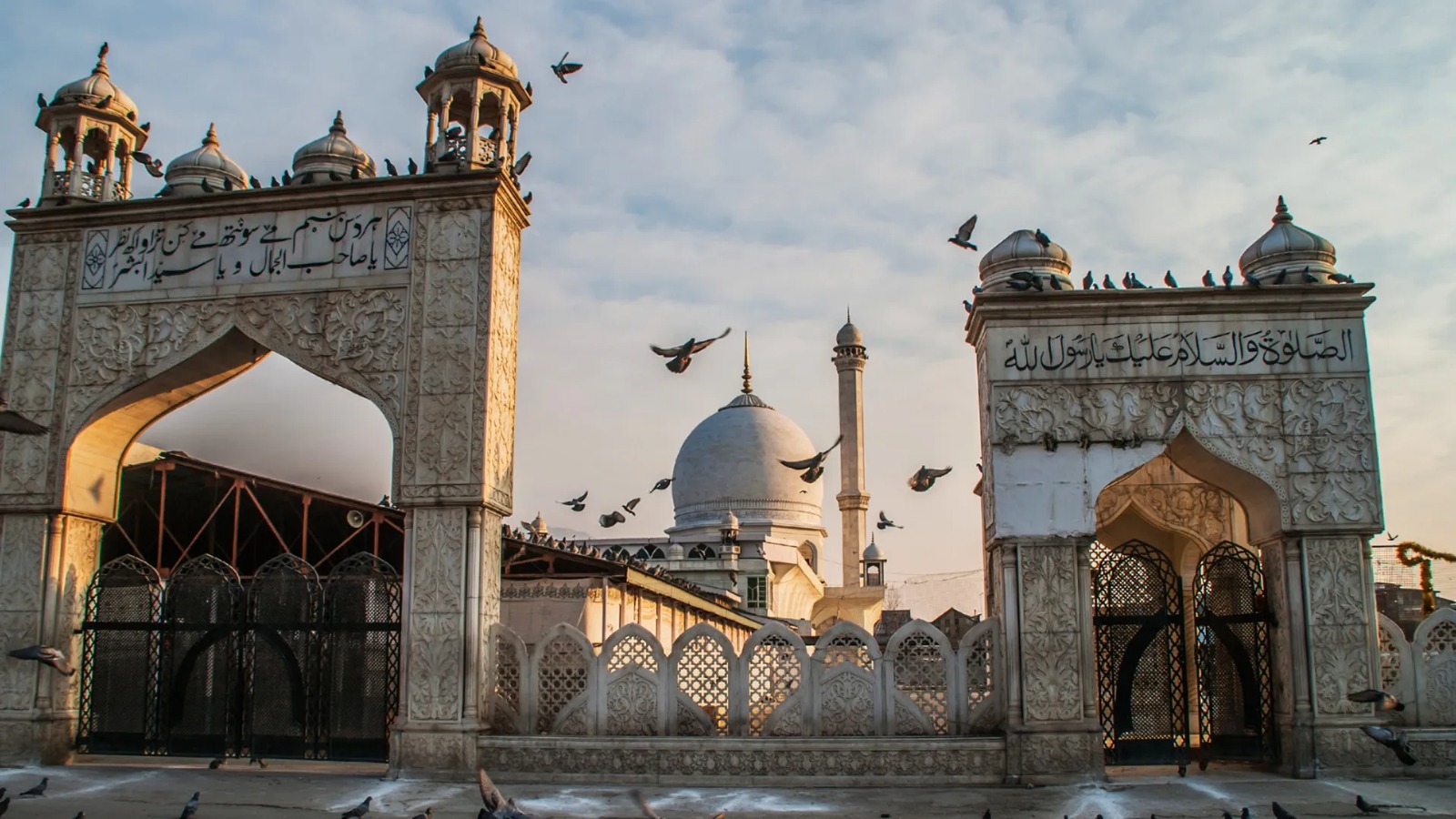
Surveillance has emerged as the central concern after the Jammu and Kashmir Police initiated a region-wide exercise to gather detailed information about mosques and religious functionaries across the Valley. The move, which involves collecting sensitive personal, financial, and ideological data, has unsettled clerics, mosque committees, political leaders, and civil society groups, who see it as intrusive and potentially unconstitutional.
According to information accessed by Qalam Times, individuals associated with mosques in various parts of Kashmir were issued a four-page questionnaire. One page focuses on mosque-related details, while the remaining three seek extensive personal information about those managing or serving in these religious institutions. Surveillance, critics argue, appears to go far beyond any routine administrative requirement.
Mirwaiz Hassan Firdousi, Chairman of the Mutahida Aima Forum and Muslim Mutahida Mahaaz, voiced strong objections while speaking to Maktoob. He said the exercise violates fundamental rights, particularly the right to privacy guaranteed under the Constitution. “Mosques are sacred spaces meant for worship, guidance, and community welfare. Subjecting their internal religious affairs to such intrusive scrutiny is unacceptable,” he said.
Firdousi further noted that the depth and nature of the data being sought raise serious questions about intent. “This looks less like administration and more like an attempt to control religious institutions through coercive monitoring,” he added.
The section related to mosques seeks information on sect affiliation, seating capacity, building structure, construction costs, monthly expenses, sources of funding, land ownership, and management committees. The remaining pages demand detailed personal data of imams, muezzins, khateebs, mosque committee members, and individuals associated with charitable bodies such as Bait-ul-Maal.
The questionnaire reportedly asks for identification details including Aadhaar, PAN, voter ID, passport, and driving licence numbers. Bank account information, ATM and credit card details are also included. Committee members from a mosque in Baramulla told Maktoob that such exhaustive data collection was unprecedented. “Usually, the local beat officer already has basic details. If anything extra is needed, they simply call. This level of personal information is surprising and worrying,” one member said.
Beyond this, individuals are asked to disclose mobile phone models, IMEI numbers, social media accounts, travel history, income and expenditure, property ownership, and details of relatives living abroad. The forms also seek family information, including parents, siblings, and children, and ask about any past involvement in militancy or criminal cases. Mosques are additionally required to specify their ideological affiliation.
Social activist Hakim Suhail pointed out that places of worship already operate under established legal frameworks. “Just like temples, churches, and gurdwaras, mosques are governed by existing laws. There is no justification for an additional agency to collect such data,” he said. He added that if authorities believe such data collection is necessary, it should apply uniformly to all religious institutions. “Targeting mosques alone raises serious concerns about fairness and intent,” Suhail remarked, noting that mosque income and expenditure are already publicly disclosed annually.
Religious bodies across the region have echoed these apprehensions. The Muttahida Majlis-e-Ulema (MMU), a coalition of Islamic organizations led by chief cleric Mirwaiz Umar Farooq, condemned the exercise, calling it an unprecedented and invasive profiling drive.
In a statement, the MMU said the forms demand sensitive information not only about mosques and their staff but also about their family members. “They seek private identification documents, financial records, phone details, digital footprints, passport information, travel history, and mobile IMEI numbers,” the statement read. The MMU said such an exercise has caused widespread anxiety and violates the constitutional right to privacy. It urged the elected government to intervene and immediately halt the process.
Political leaders have also raised red flags. National Conference MP from Srinagar, Aga Syed Ruhullah Mehdi, said the reported surveillance of mosques and preachers cannot be dismissed as a routine administrative task. “It infringes upon freedom of religion and personal privacy,” he told reporters.
Imran Reza Ansari, senior leader of the Peoples Conference and a Shia cleric, warned that excessive scrutiny could discourage voluntary religious service. “Many people serve mosques purely out of devotion. Treating them with suspicion sends the wrong message,” he said.
Reiterating his concerns, Mirwaiz Hassan Firdousi called on the elected government to step in without delay. “This exercise undermines trust, creates fear among religious functionaries, and sends a deeply disturbing signal to the Muslim community. Singling out mosques and religious personnel in this manner is unjustified, counterproductive, and harmful to social harmony,” he said.
As of now, the Jammu and Kashmir Police have not issued any official clarification or statement regarding the data collection drive.