

Infiltration Narrative questioned as 5.82 million voters are removed from West Bengal’s draft voter list, challenging BJP’s claim of one crore illegal infiltrators ahead of 2026 elections.
By Qalam Times News Network
Date: December 16, 2025
Infiltration Narrative has long shaped political messaging in West Bengal, but the latest draft voter list—showing the removal of 5.82 million voters—has punctured the Bharatiya Janata Party’s claim that over one crore Rohingya and Bangladeshi infiltrators were embedded in the electoral rolls. Data released after the Special Intensive Revision (SIR) process presents a far narrower picture of irregularities than the one projected in campaign rhetoric.
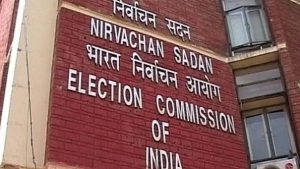
The Election Commission’s draft electoral roll confirms that while 5.82 million voters were removed, most deletions were routine and administrative in nature. Nearly 2.4 million names belonged to deceased voters, around 2 million were linked to permanent migration, over 1.2 million addresses could not be verified, and about 138,000 were duplicate entries. Only 183,328 names were classified as “ghost voters,” sharply contradicting claims of mass illegal enrollment and weakening the broader Infiltration Narrative advanced by the BJP.
What the Draft Voter List Actually Shows
The SIR process—conducted after more than two decades—was designed to clean and update the voter database through door-to-door verification. Election officials stressed that the exercise focused on accuracy, not exclusion. The limited number of unverifiable voters suggests that large-scale illegal registration was not borne out by ground-level checks, despite repeated political assertions to the contrary.
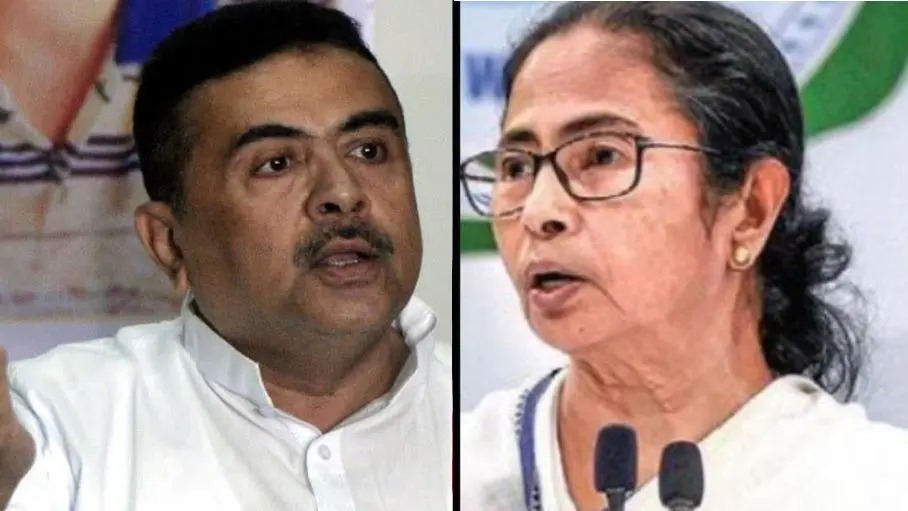
Senior BJP leaders, including Leader of Opposition Suvendu Adhikari and Union Minister Shantanu Thakur, had alleged that between one and 1.2 crore illegal migrants were influencing electoral outcomes with the backing of the ruling Trinamool Congress. However, the draft figures offer little empirical support for that claim, reinforcing the view that the Infiltration Narrative functioned primarily as an electoral mobilization tool.
Political Reactions and Counterclaims
The Trinamool Congress used the draft data to mount a sharp attack on the BJP, accusing it of deliberately inflating numbers to polarize voters ahead of the 2026 Assembly elections. Party leaders pointed to Border Security Force data indicating that only about 4,000 individuals had returned to Bangladesh in recent months, questioning how millions of alleged infiltrators could exist without corresponding enforcement records.
The BJP rejected these conclusions, maintaining that the draft list is not final. Party leaders argued that further scrutiny during the claims-and-objections period could still reveal additional irregularities, insisting that the issue remains unresolved.
A Legal and Political Battleground
The dispute has now moved to the Supreme Court, where petitions challenging the SIR process are under review. The outcome could influence not only West Bengal’s political climate but also future voter-verification exercises across India.
For now, the draft data has substantially diluted the BJP’s sweeping claims. While the political contest over numbers continues, the evidence suggests that the Infiltration Narrative may have been amplified more for electoral leverage than grounded in verified reality.