
2025 reshaped the world through wars, terror crackdowns, political assassinations, government collapses, and major diplomatic shifts, marking one of the most turbulent years in recent global history.
Qalam Times News Network
Kolkata : 31 December 2025
2025: From terror crackdowns to collapsed governments, the year that reshaped global power
2025 will be remembered as a year that refused to stay calm. It opened old fault lines and created new ones, leaving the global order visibly shaken. As 2025 draws to a close, it is clear that this was not just another year of headlines—it was a turning point marked by wars, political upheavals, assassinations, and power struggles that altered geopolitics in real time.
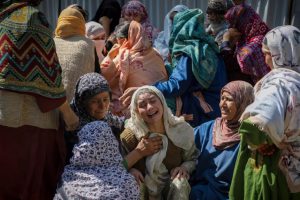
From South Asia to the Middle East and from Washington to Southeast Asia, 2025 unfolded as a relentless chain of crises. Early in the year, tensions between India and Pakistan dominated global media, while nearby Nepal witnessed a stunning generational revolt that ended in the fall of a sitting government. In between these upheavals, the United States saw its president once again emerge as the world’s most talked-about figure, shaping debates far beyond American borders.
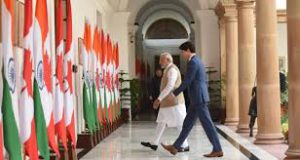
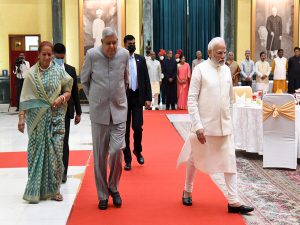
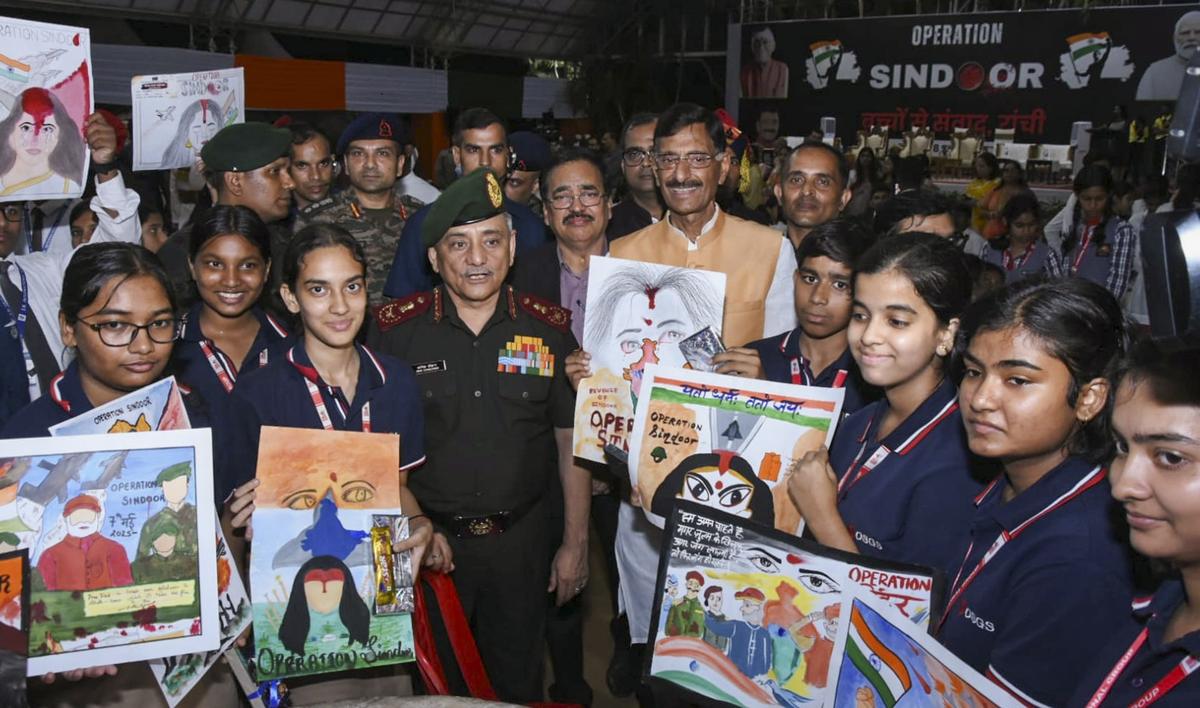
One of the defining security events of 2025 was India’s decisive military response following a brutal terror attack in Jammu and Kashmir’s Pahalgam region. The killing of tourists shocked the nation, and India’s subsequent cross-border operation dismantled multiple terror hubs, sending a strong signal across the region.
In the United States, political violence sent shockwaves when a prominent conservative figure and close ally of the president was assassinated during a public event. The incident reignited debates on political extremism and security, leaving the country deeply unsettled. This unrest was compounded by a historic government shutdown that stretched over six weeks, paralyzing federal operations and disrupting air travel nationwide.
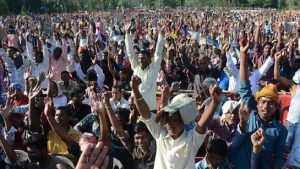
The Middle East witnessed one of its most dangerous escalations in years as Israel and Iran entered a direct and devastating confrontation. Airstrikes, missile attacks, and the destruction of sensitive nuclear infrastructure pushed the region to the brink, with global powers watching anxiously as the conflict threatened wider fallout.

Religious history was also made in 2025 with the election of the first American-born Pope, following the death of his predecessor. The moment was both symbolic and historic, signaling a shift in the global identity of the Catholic Church.
Tragedy struck India again when a catastrophic passenger विमान हादसा claimed nearly 270 lives, including medical students on the ground. The lone survivor’s story could not soften the collective grief caused by one of the deadliest air disasters in recent memory.
In Nepal, a protest movement led largely by Gen-Z youth spiraled from online dissent into street violence, ultimately toppling the government. The unrest reflected deeper frustrations over unemployment, corruption, and restrictions on digital freedoms.
Meanwhile, a high-profile fallout between two of the world’s most influential figures—one a political heavyweight, the other a tech billionaire—played out publicly, underscoring how fragile power alliances had become.
Global trade also felt the tremors of 2025 as sweeping tariff measures announced by the U.S. administration rattled markets and strained relations with major economies, including China, Europe, and parts of Asia. Supporters called it economic protectionism; critics warned of inflation and trade wars.
Armed tensions were not limited to major powers. Pakistan and Afghanistan clashed repeatedly along their border, while Southeast Asia saw renewed fighting between Thailand and Cambodia, despite earlier ceasefire efforts brokered through international mediation.
On the diplomatic front, rare high-level engagements drew global attention. A summit involving major Eurasian powers signaled shifting alliances, while a landmark visit by the Russian president to India in December became one of the most closely watched events of the year, especially in the shadow of ongoing conflicts in Eastern Europe.
In sum, 2025 was a year that rewrote assumptions. It exposed the fragility of governments, the volatility of alliances, and the speed with which the world can tip from stability into crisis. As the world steps into a new year, the aftershocks of 2025 are far from over—and their consequences will shape global affairs for years to come.